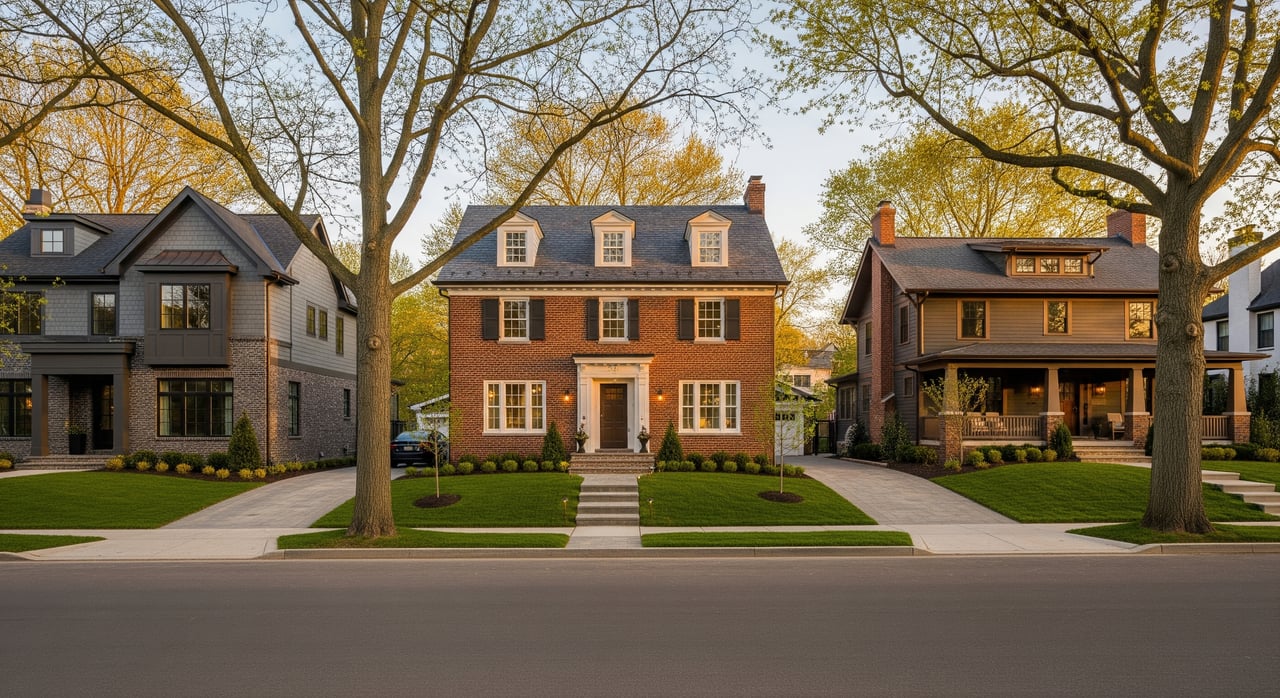
Grove City Housing Market: Prices And Inventory
December 4, 2025
December 4, 2025
Wondering if now is a smart time to buy or sell in Grove City? With headlines changing week to week, it can be hard to know what prices and inventory really mean for your plans. You deserve a clear, local view so you can move with confidence. In this guide, you’ll learn how to read Grove City’s price and inventory signals, how they affect timing and negotiation, and what to do next whether you’re buying or selling. Let’s dive in.
Price trends tell you where values are heading, but not all price stats are created equal. For a true market read, focus on the median sale price and price per square foot rather than simple averages. These metrics smooth out big outliers and better reflect the typical Grove City home.
Look at 3-, 6-, and 12-month rolling median sale prices. The 3-month view shows short-term movement. The 6- and 12-month views reduce seasonal noise so you can see the real direction. Compare each period to the same time last year to account for seasonality.
Price per square foot helps you compare similar homes across neighborhoods. Use the same living area definition across listings and watch for unusual floor plans or very small or very large homes that can skew this measure. Median price per square foot by home type gives you a solid apples-to-apples check.
New-builds can lift averages or change days on market patterns due to builder incentives and different listing practices. When possible, review new construction separately from resale homes so you do not overprice or underprice your specific property.
Inventory tells you how tight the market is and how much leverage buyers or sellers have. Two core measures are months of inventory and days on market.
Months of inventory, or MOI, equals active listings divided by the average number of sales per month. It is a simple way to label market balance:
Absorption rate is the flip side: the pace at which inventory is selling. A higher absorption rate signals faster-moving conditions.
Days on market, especially the median for closed sales, shows how quickly well-priced homes are going under contract. Shortening days on market indicates rising demand. Remember that spring often moves faster than winter, so compare similar seasons or use rolling medians to smooth the calendar effect.
The list-to-sale price ratio shows how close final sale prices are to original list prices. A median above 100 percent suggests frequent multiple offers. A lower ratio can signal more room to negotiate. Use this measure together with MOI and days on market for a full picture of competition.
Every market has segments that behave on their own timeline. In Grove City, you will see meaningful differences by home type, price band, and micro-neighborhood.
Detached homes make up most of the Grove City market and often show steadier pricing trends. Lot size, age of the home, updates, and proximity to commuting routes can move values. Watch MOI and list-to-sale ratios within your specific price range to gauge competition.
Attached homes can have smaller sample sizes, which makes month-to-month swings look larger. Review longer rolling periods and check HOA fees and amenities when comparing. These properties may attract first-time buyers and downsizers, so changes in affordability can quickly shift demand.
Micro-neighborhoods can vary based on access to I-71 and Stringtown Road, nearby parks and shopping, lot sizes, and age bands. School zoning can influence demand, but always compare homes on neutral, objective criteria like size, condition, and location features. When sample sizes are small, expand the timeframe to avoid misleading medians.
Inventory is not uniform across the market. Entry-level price ranges often run lean on supply, while upper tiers can show a bit more time on market. To pinpoint pressure:
Accurate pricing starts with strong comparables. Here is a practical way to build a comp set:
Condition, curb appeal, and functional layouts can shift value more than many people expect. Verify features in public records and listing details to make consistent adjustments.
Price to the market, not above it. Align with recent closed comps and current active competition.
Aim for day-one impact. Professional photos, a crisp description, and targeted digital exposure can increase buyer traffic in the critical first week.
Watch your days to contract. If similar homes go under contract in two weeks and you have not had strong showings, reassess price or presentation.
Leverage strategy by price band. In a multiple-offer environment, a slightly conservative list price can attract more qualified buyers and improve your net.
Use this checklist every month to understand Grove City’s direction at a glance:
This approach uses the local MLS for active, pending, and closed data within Grove City city limits, with parcel verification from Franklin County public records where available. Medians are based on closed sales over rolling 3-, 6-, and 12-month windows. Months of inventory equals active listings divided by average monthly closed sales. New construction is reviewed separately when possible because builder practices and incentives can affect pricing and days on market. Small sample sizes are called out or smoothed with longer timeframes to avoid misleading conclusions.
Ready to see the latest Grove City numbers for your price range and neighborhood? Reach out to Brad Gregg for a custom, up-to-the-minute snapshot and strategy.
Stay up to date on the latest real estate trends.


Let’s work together to turn your real estate goals into reality while building a connection that lasts long after the deal is done!