Trying to decide between living in Columbus or heading just south to Grove City, Ashville, or Commercial Point? You are not alone. The right fit often comes down to what you value day to day, from home type and budget to commute and weekend plans. In this guide, you will see clear tradeoffs in housing, transportation, and lifestyle so you can move forward with confidence. Let’s dive in.
Housing at a glance
Columbus and its south-side suburbs offer very different housing mixes. Understanding what is common in each place helps you match your budget and priorities to the right neighborhood.
Columbus: more variety and more rentals
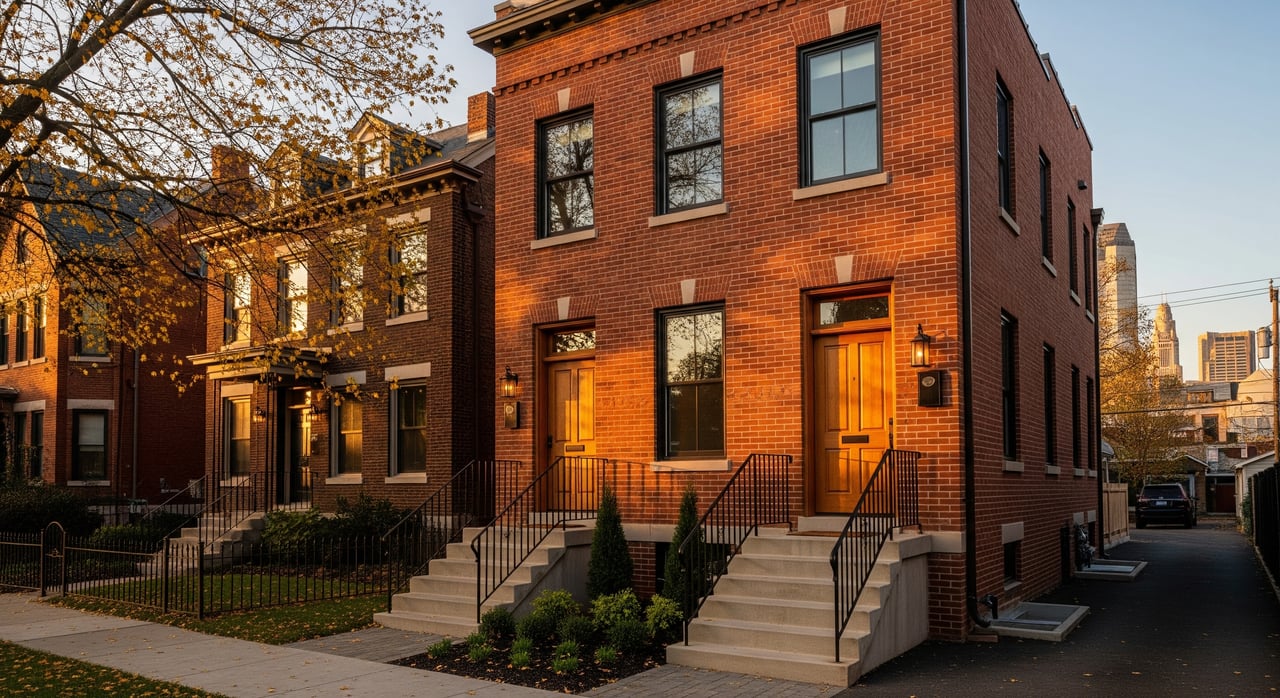
Columbus has a larger share of renters and more multi-unit options like apartments, condos, and townhomes. Owner-occupancy is well under 60 percent, which often signals denser neighborhoods and a wider range of housing styles. You will find historic homes, downtown and near-downtown condos, and infill projects in walkable areas. You can see this pattern in the housing composition reported in the city’s QuickFacts profile from the U.S. Census Bureau.
- Columbus owner-occupancy runs well below 60 percent, reflecting a significant rental market and varied housing stock. Explore Columbus QuickFacts.
- The median value of owner-occupied housing units sits in the low $200ks when looking at the multi-year housing stock figure reported by the Census. That is different from recent sale prices.
- For a sense of current single-family transactions, a February 2026 sample placed Columbus around a $258,000 median single-family sale price. See the recent median via PropertyFocus city trends.
What this means for you: Columbus offers more choices if you want a condo or townhome, prefer a compact lot, or value proximity to arts, restaurants, and transit. Some central neighborhoods command higher prices per square foot due to walkability and amenities.
Grove City: single-family focus and suburban feel
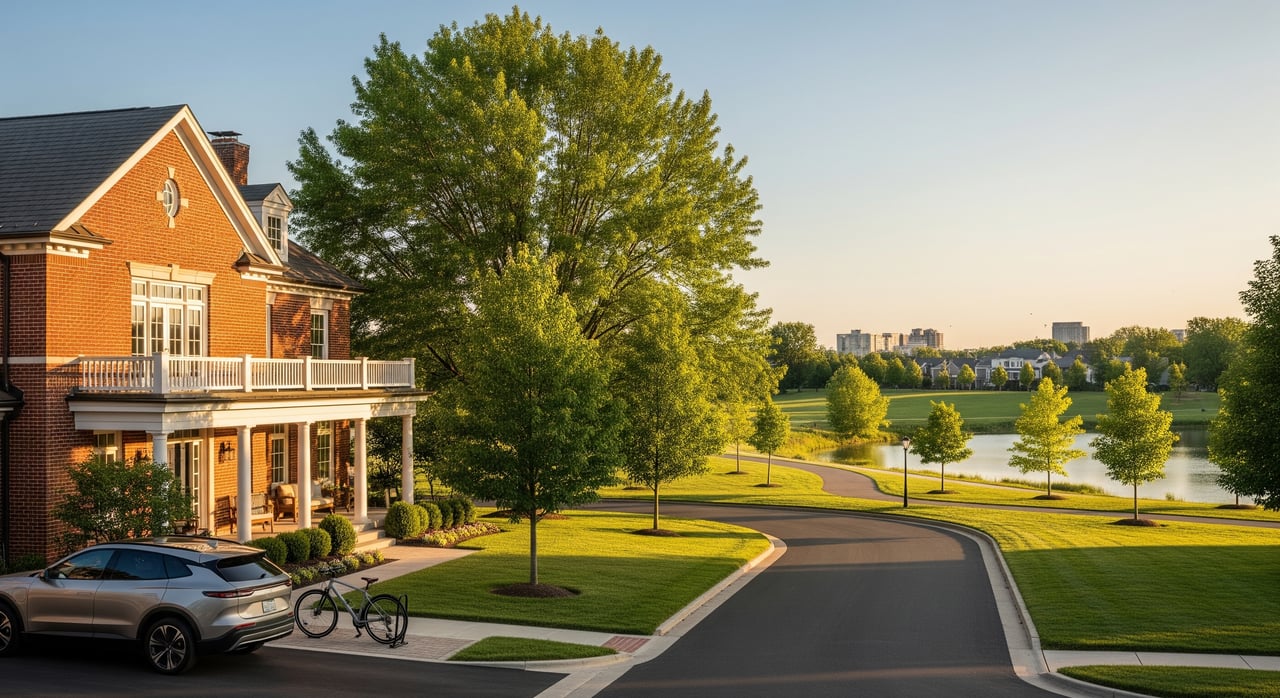
Grove City is dominated by single-family neighborhoods, many built since the 1970s, with newer subdivisions alongside established streets. The city promotes more of a small downtown feel, parks, and convenient highway access to Columbus.
- Expect higher owner-occupancy than in Columbus and a strong single-family mix.
- Market snapshots in early 2026 often show medians in the low-to-mid $300ks, with variation by neighborhood and home age.
- Learn more about community amenities in the city’s profile: Grove City community overview.
What this means for you: If your budget is around the low-to-mid $300ks and you want a larger lot and newer floor plans than many in-city options, Grove City is a strong candidate.
Ashville: village scale and mix of older and newer homes
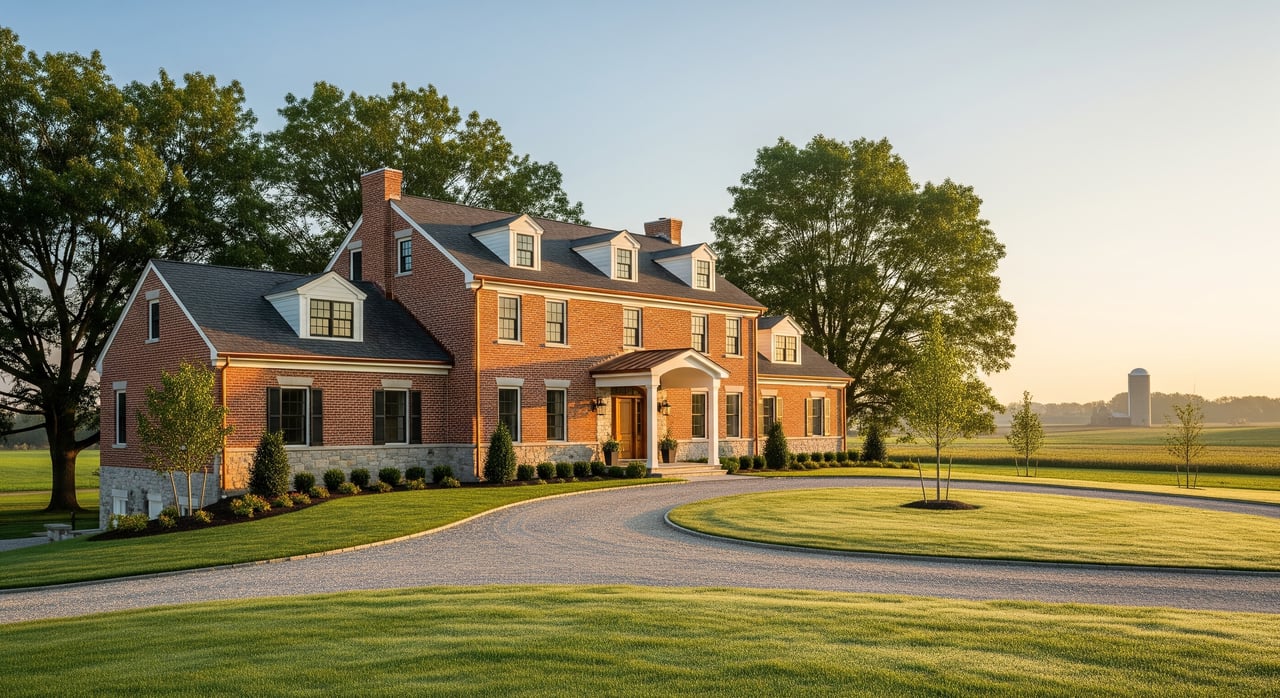
Ashville offers a small-town feel with a mix of older stock and newer subdivisions that expanded since the 1990s. Homes tend to be single-family, often with larger lots than you will find in central Columbus.
- The 2023 ACS-based median property value was about $208,900, though recent transaction medians have varied and can be higher due to small sample sizes.
- Average commute times are modest, and many residents drive to nearby industrial and Columbus-area jobs.
- See housing and commute data in the DataUSA Ashville profile.
What this means for you: Entry prices by stock value can look lower, but actual sale prices for newer or move-in-ready homes may run higher. Check recent comps in your target subdivision to set expectations.
Commercial Point: newer subdivisions and owner-occupied
Commercial Point has grown quickly with new construction and planned neighborhoods. Owner-occupancy is high, and many households commute to jobs around Columbus and Rickenbacker.
- ACS-based median property value in 2023 was about $321,600. Transaction medians have ranged higher due to a small number of newer, higher-priced sales.
- The area’s small size means monthly medians can swing noticeably based on just a handful of closings.
- Review housing and commute context in the DataUSA Commercial Point profile.
What this means for you: If you prefer newer homes, larger lots, and a quieter suburban setting, Commercial Point often fits. Plan for more driving to daily services compared with Grove City or Columbus proper.
Commutes and transportation
Average one-way commutes across these areas are modest, and many people drive. Transit is available in central Columbus with more limited options in the suburbs.
Typical travel times
Keep in mind that averages smooth out rush-hour peaks and route differences. Your time will depend on the specific start and end points, time of day, and weather.
Driving and highways
Grove City sits roughly 7 to 10 miles southwest of downtown Columbus, often a 10 to 20 minute drive in off-peak conditions. Commercial Point is farther south, with common off-peak drives of 20 to 30 minutes. Traffic, work location, and school drop-offs can add time, so budget for that in your daily plan.
Transit and microtransit
COTA is the regional transit system serving Columbus with fixed-route buses, express service, and on-demand microtransit pilots branded COTA//Plus. Frequency tends to be better inside Columbus. In the farther suburbs, service is more limited, so most residents rely on personal vehicles.
Lifestyle and amenities
Your day-to-day experience will feel different in the city than in the suburbs. Here is how they typically compare.
City living: walkability and culture
If you like to walk to restaurants, events, and parks, Columbus offers plenty of options. Central neighborhoods put you close to top attractions and frequent community programming. Popular urban trails like the Scioto Mile and the Olentangy River Trail make running and biking part of normal life.
Grove City: parks, town center, easy access
Grove City blends suburban neighborhoods with a small-town center, parks, and quick highway access. The city maintains 20-plus parks and community events that draw residents to the heart of town.
Ashville and Commercial Point: quieter pace
Ashville and Commercial Point offer a smaller scale and quieter evenings. New subdivisions are adding inventory, and many households commute to jobs near Rickenbacker or around the metro. Daily life is more car-dependent, with fewer late-night options than central Columbus.
Growth around Rickenbacker, including the Anduril Arsenal-1 advanced manufacturing project, is shaping local demand and commute patterns in these corridors. You can read about the project’s scale and potential jobs in this regional report on Anduril’s facility.
New construction and price premiums
Across Central Ohio, new construction has listed well above existing-home prices in recent years. That premium often steers new projects to the suburbs, where builders can deliver larger homes and lots.
- A 2025 analysis noted that new-build listing medians in the Columbus area outpaced existing-home medians by a wide margin. See the coverage in this Axios look at new-build pricing.
What this means for you: If new construction is on your wish list, plan for a higher budget and consider suburban communities where most new homes are being built. If you prefer to stretch your dollars on square footage, compare newer resales in Grove City, Ashville, or Commercial Point with updated older homes in Columbus.
Costs to weigh beyond price
Your monthly costs involve more than the purchase price.
- Transportation: Suburban living commonly requires two cars and more driving. Fuel, maintenance, and time in the car add up. Columbus offers more chances to use transit, bike, or walk for errands.
- Taxes and fees: Municipal income tax, school district property taxes, and homeowner insurance vary by jurisdiction. Ask for address-specific estimates when you get serious about a property.
- Utilities and upkeep: Larger homes and lots often mean higher utility and maintenance costs. Older city homes can bring unique maintenance needs; newer suburban homes may have HOA fees.
A quick decision checklist
Use these prompts to focus your search.
- Budget and product fit
- Under roughly $300k: You may find more single-family options in Ashville and some pockets near Commercial Point, with select opportunities in Grove City and parts of Columbus depending on tradeoffs.
- Mid-$300ks to $400k+: You will see broader choices in Grove City and newer areas of Commercial Point, plus updated homes in many Columbus neighborhoods.
- Commute tolerance
- Short daily drive or more transit options: Prioritize central Columbus or closer-in suburbs like Grove City. Average commutes are about 21–22 minutes for Columbus and 22.2 minutes for Grove City.
- Accept a 30-minute average and want newer homes or larger lots: Commercial Point or farther edges may fit, with Commercial Point averaging about 29.3 minutes.
- Amenities and daily life
- Want walkability, restaurants, and events: Focus on Columbus neighborhoods with easy access to urban trails and cultural sites.
- Prefer yards, newer homes, and quieter evenings: Explore Grove City, Ashville, and Commercial Point.
- Future development and resale
- Track job centers and infrastructure plans. Projects around Rickenbacker, including Anduril’s facility, may add demand in southern suburbs over time. Review the Anduril project coverage when considering long-term value.
Which option fits you best?
- Choose Columbus if you want variety in housing types, strong arts and dining, and the ability to mix driving with walking, biking, or transit. Many buyers target central neighborhoods for lifestyle first, then calibrate home type and size to fit budget.
- Choose Grove City if you want single-family neighborhoods, park access, a small-town center, and quick highway trips to downtown. It is a frequent fit for move-up buyers and first-time buyers who want more space.
- Choose Ashville or Commercial Point if you prefer quieter streets, larger lots, and newer subdivisions and are comfortable driving more for services and work. Keep an eye on nearby employment growth that can influence future demand.
Get local guidance you can trust
Buying or selling in Central Ohio is easier with a local partner who knows each neighborhood, builder pocket, and commute pattern. If you want help comparing active listings, new construction options, or recent comps in a specific subdivision, reach out to Brad Gregg. You will get responsive, data-informed guidance on the best fit for your budget, timeline, and lifestyle.
FAQs
What are the main housing differences between Columbus and nearby suburbs?
- Columbus offers more multi-unit options and a larger rental share, while Grove City, Ashville, and Commercial Point are dominated by single-family homes and higher owner-occupancy.
How do average commutes compare across these areas?
- Typical one-way averages are about 21–22 minutes for Columbus, 22.2 for Grove City, 23.2 for Ashville, and 29.3 for Commercial Point, depending on exact origin and destination.
Is public transit a realistic option in the suburbs south of Columbus?
- COTA serves the region, but fixed-route frequency and coverage are stronger in Columbus; farther suburbs see limited service, so most residents drive for daily needs.
Why do new-build homes often cost more than existing homes?
- Regional analyses show new-build listing medians outpacing existing-home medians due to materials, labor, land, and modern features, which often places new projects in the suburbs.
How are big employers near Rickenbacker affecting housing demand?
- Large projects like Anduril’s Arsenal-1 facility are shaping narratives and may increase demand in southern suburbs over time, especially for newer subdivisions.
What should I budget for beyond the purchase price?
- Plan for commuting costs, municipal income tax and property tax differences, utilities, and upkeep; ask for address-specific estimates when you find a home you like.