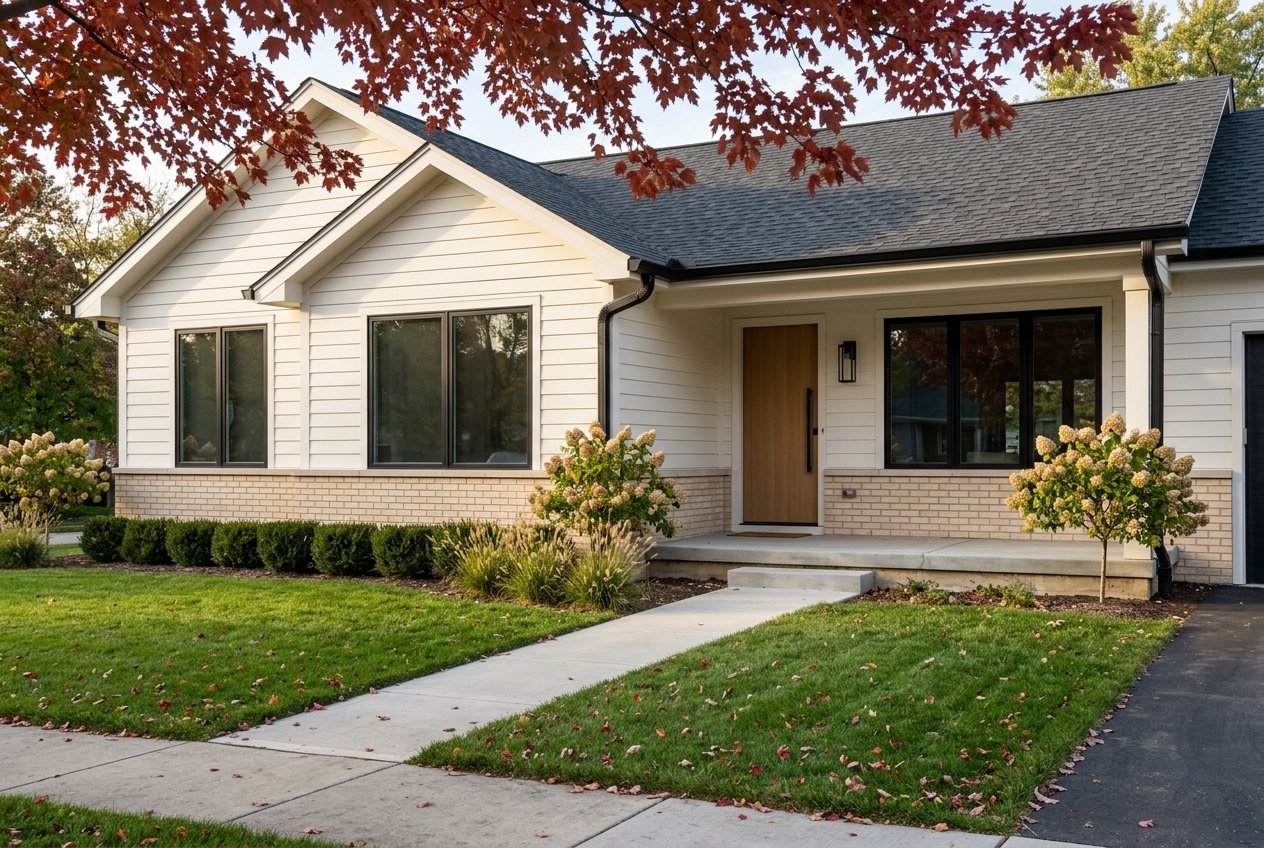
Columbus Condo Or Suburban Home? Weighing Your Options
June 4, 2026
June 4, 2026
Trying to decide between a condo in Columbus and a suburban home in places like Grove City? You are not alone. Many Central Ohio buyers are weighing lower-maintenance living against more space, privacy, and control. The right fit depends on how you want to live, what you want to spend each month, and how much upkeep you are willing to handle. Let’s break it down.
If you are shopping in Franklin County, you are looking at a market that is still fairly tight. In April 2026, the county recorded 1,077 closed sales, a median sales price of $331,688, and just 1.8 months of inventory. That means buyers often need a clear plan before they start touring homes.
The condo and single-family markets are not the same size. In that same month, Franklin County had 217 condo closings and 860 single-family closings. Condos made up about 20.1% of closed sales, so they are a real option, but detached homes still make up the larger share of what buyers are choosing.
For a closer look at the local picture, Columbus City School District had 444 closings with a median sales price of $265,000. South-Western City School District, which includes Grove City, had 132 closings with a median sales price of $310,000, while Grove City corporate limits posted 71 closings at a $390,000 median sales price. Those numbers help show why many buyers see Columbus condos and suburban homes as two different value conversations.
A lower list price does not always mean a lower monthly cost. That is especially true when you compare a condo or townhome with a detached house. The smartest way to compare your options is to look at the full monthly payment, not just the mortgage.
That means adding up:
This is where many buyers start to see the real tradeoff. A condo may come with a lower entry price in some areas, but monthly HOA dues can change the picture quickly.
One of the biggest financial differences with a condo is the HOA line item. Condo or HOA dues are usually paid separately from your mortgage payment, and they can range from a few hundred dollars a month to more than $1,000. That recurring cost needs to be part of your budget from day one.
In return, condo associations often handle shared expenses like landscaping, driveways, shared structures, and roofs. For some buyers, that trade feels worth it because it reduces the number of exterior tasks they need to manage on their own. For others, the extra monthly fee limits what they can comfortably afford.
It is also important to understand the risk of unpaid dues. If dues are not paid, the association can pursue collections and, in serious cases, foreclosure. Before buying a condo, you want a clear picture of the dues, what they cover, and how they affect your overall payment.
With a suburban single-family home, you usually have more control over the property, but more responsibility too. You are generally the one handling repairs, maintenance, and large future expenses. That can include everything from routine yard work to bigger items like a roof replacement.
Some buyers love that freedom. You can make choices about upkeep, improvements, and timing without working within an association structure. But that flexibility comes with the need to plan for ongoing costs that may not show up as a set monthly fee.
If you are comparing a condo to a suburban home, it helps to ask yourself whether you prefer a fixed dues structure or the unpredictability of owning and maintaining a standalone property.
Insurance is another area where condos and detached homes differ in a meaningful way. With a condo, the association’s master policy usually covers common areas. You still need your own coverage for the interior of the unit and your belongings.
With a detached home, you are generally responsible for insuring the structure yourself. That means your policy needs to reflect the full responsibility of owning the home. It is one more reason why two homes with similar list prices can have different monthly ownership costs.
Property taxes matter whether you choose a condo or a house. In Franklin County, taxes are based on the parcel’s appraised value and tax district. If the home is your primary residence as of January 1, you may qualify for the county’s owner-occupancy credit.
That is important because your tax bill is not based only on what you paid for the property. Location, tax district, and whether you will occupy the home all affect the final number. When you compare Columbus and suburban options, this is one more piece of the total monthly cost puzzle.
Broad ownership cost data also helps frame the decision. Census QuickFacts lists median selected monthly owner costs with a mortgage at $1,599 in Columbus and $1,881 in Grove City. These figures are not condo-specific, but they do show that suburban ownership often starts from a higher baseline.
That does not mean the suburbs are automatically less affordable. It means you should compare the full cost of ownership in each setting, including dues, taxes, insurance, and maintenance. A condo in Columbus may feel more manageable on paper until you factor in monthly dues. A suburban house may cost more up front but offer more space and fewer shared restrictions.
For many buyers, maintenance is what ultimately decides it. Condos and many townhomes are often a good fit if you want less exterior upkeep and are comfortable living with shared rules and recurring dues. That can be appealing if you travel often, want a simpler routine, or just do not want to spend weekends mowing, shoveling, or coordinating exterior repairs.
Detached suburban homes usually offer more space, more privacy, and more autonomy. They also bring more hands-on responsibility. If having a yard, garage space, room to spread out, or fewer shared elements matters to you, a suburban home may feel like the better long-term fit.
Neither option is better across the board. The better option is the one that lines up with how you want your daily life to work.
Many buyers assume the city will always mean a shorter commute. In the Columbus area, that is not always true. Census QuickFacts lists mean travel time to work at 21.5 minutes in Columbus and 21.6 minutes in Grove City.
That tells you something useful. In this market, commute time often depends more on where you work, your route, parking, and highway access than on whether a home sits inside Columbus or in a nearby suburb. If commute is a major factor for you, it is worth evaluating addresses individually instead of relying on assumptions.
The city-versus-suburb choice is also about the kind of housing environment you want. Columbus has a 44.1% owner-occupied housing unit rate, while Grove City has a 71.4% owner-occupied rate. That points to a more mixed housing stock in Columbus and a more traditionally owner-occupied profile in Grove City.
You may feel that difference as you tour homes. In Columbus, you may see more attached housing, mixed-use settings, and a broader range of housing types. In Grove City, you may find a more classic suburban pattern with detached homes and a stronger single-family focus.
Again, this is not about one being better. It is about understanding that you are choosing between two different living patterns.
If you are stuck between the two, use a simple decision framework. Compare each option based on your budget, your daily routine, and your comfort level with upkeep. The more honest you are here, the easier the choice usually becomes.
Ask yourself:
When you answer those questions clearly, your decision often starts to take shape.
In the Columbus area, condos and townhomes can make sense if you want a more managed lifestyle and possibly a lower entry point in some neighborhoods. Grove City and other suburban single-family homes often offer more space and control, but they usually come with higher ownership costs and more maintenance responsibility.
If you are choosing between the two, focus less on what sounds best in theory and more on what will feel manageable month after month. A smart home purchase is not just about getting into the market. It is about finding the right match for your budget, your time, and the way you want to live.
When you are ready to compare Columbus condos with suburban homes in Grove City and nearby communities, Brad Gregg can help you weigh the numbers, the neighborhoods, and the lifestyle tradeoffs so you can move forward with confidence.
Stay up to date on the latest real estate trends.

Let’s work together to turn your real estate goals into reality while building a connection that lasts long after the deal is done!